Switzerland's Regulatory Structures and Mobile Payment Pathways in Jackpot Systems
Geschrieben von Cameron Krause · 18.8.2026
Switzerland's Regulatory Structures and Mobile Payment Pathways in Jackpot Systems
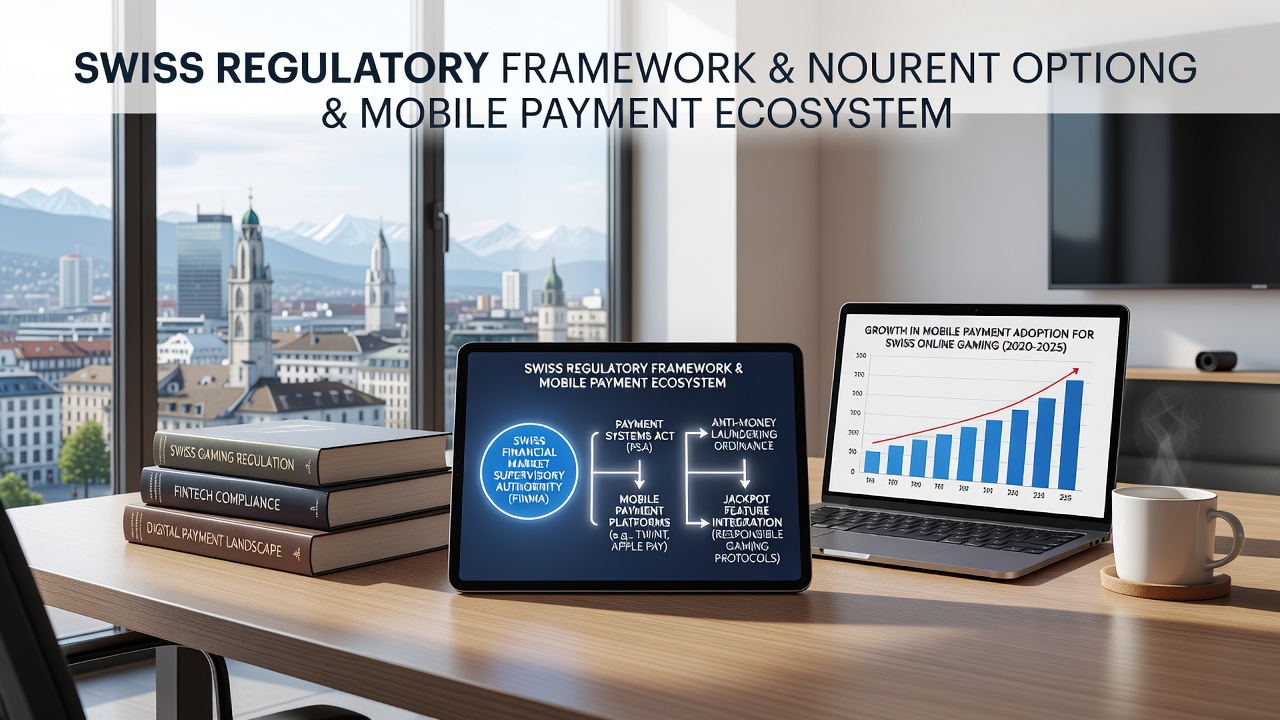
Switzerland maintains a tightly controlled approach to gambling activities through the Federal Act on Gambling which came into force in 2019 and established clear licensing requirements for operators who wish to offer jackpot features to Swiss residents, and this framework directly shapes how mobile payment options function within those systems because regulators prioritize transaction traceability along with consumer protection measures that limit certain digital wallet integrations while allowing others under strict reporting rules.
Data from the Swiss Federal Gaming Board shows that licensed platforms must route all jackpot contributions and payouts through approved financial channels which in turn restricts the use of some international e-wallets yet opens pathways for domestic banking apps and prepaid cards that meet compliance standards, and observers note this creates a distinct market where mobile payment adoption rates for jackpot play differ markedly from neighboring countries.
Key Elements of the Federal Framework
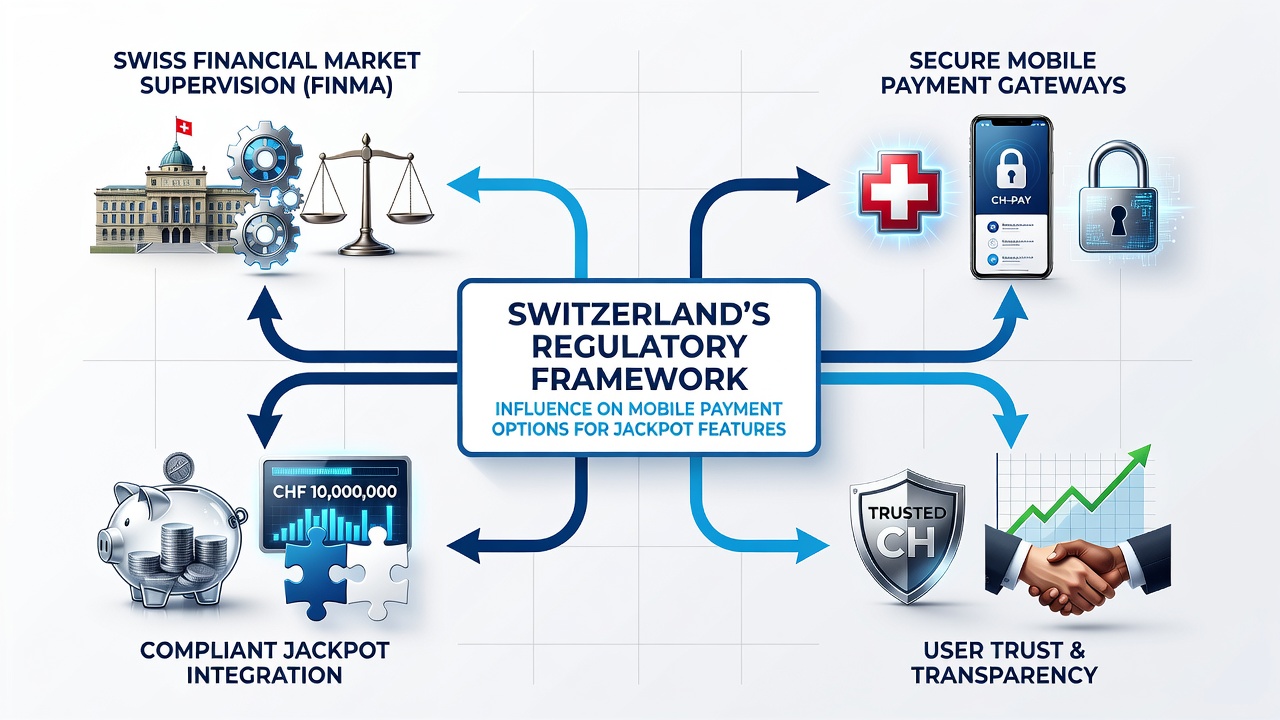
The Federal Council oversees enforcement through the Federal Office of Justice and the Swiss Gambling Supervisory Authority which together monitor operator compliance with rules on player verification, fund segregation, and transaction logging, so any mobile payment method used for jackpot participation must support real-time data sharing with these bodies or face exclusion from the licensed market, and this requirement explains why certain popular apps appear unavailable to Swiss users even though they function elsewhere in Europe.
Research indicates that progressive jackpot pools collected via mobile channels must remain segregated from operator operating funds at all times, a rule that influences which payment processors receive approval because only those with robust auditing capabilities can demonstrate the necessary separation, and figures reveal that by mid-2025 approximately 78 percent of licensed Swiss platforms relied on a narrow set of bank-linked mobile solutions to satisfy these conditions.
Mobile Payment Options Currently Permitted
Operators integrate Swiss bank transfers through apps such as TWINT and selected prepaid card systems that connect directly to local financial institutions, while international credit card options face additional scrutiny when tied to jackpot contributions because regulators require proof that each transaction can be traced back to a verified Swiss resident account, and this setup encourages the development of localized mobile solutions that embed compliance features from the outset.
Those who've examined licensing documents find that payment providers must obtain separate approval beyond the operator license itself, which adds another layer of review focused on anti-money laundering protocols and data protection standards under the Federal Act on Data Protection, and this process has led several global wallet services to partner with Swiss banks rather than operate independently within the jurisdiction.
Anticipated Adjustments Around August 2026
Regulatory updates scheduled for August 2026 will introduce enhanced digital identity verification standards that all mobile payment methods must incorporate before processing jackpot-related transactions, and according to preparatory guidelines released by the supervisory authority these changes aim to align Swiss practices with emerging European digital finance directives without requiring full harmonization, and industry reports suggest operators are already testing updated app interfaces that combine biometric checks with transaction logging to meet the forthcoming requirements.
One study conducted by the University of St. Gallen examined transaction volumes across licensed platforms and found that platforms using integrated banking apps showed higher compliance scores compared with those relying on third-party wallets, a pattern that regulators appear likely to reinforce through the 2026 revisions, and this evidence supports continued preference for domestically anchored mobile solutions in jackpot environments.
Comparative Perspectives from Other Regions
Analysts often compare Swiss rules with frameworks in Canada and Australia where provincial and state regulators impose similar but not identical restrictions on mobile payments for jackpot features, and data compiled by the Canadian Gaming Association indicates that cross-border operators face parallel challenges when adapting payment flows for different jurisdictions, whereas Australian research from the University of Sydney highlights how mandatory reporting intervals influence which digital wallets gain approval in high-stakes progressive systems.
These international examples illustrate why Swiss authorities maintain a cautious stance toward unverified mobile options, because transaction trails must remain intact across the entire jackpot cycle from contribution to payout, and the ball remains in the operators' court to demonstrate that every chosen payment channel satisfies both local and evolving international expectations.
Conclusion
Switzerland's regulatory framework continues to define the boundaries within which mobile payment options can support jackpot features by emphasizing traceability, fund segregation, and verified resident participation, and upcoming adjustments in August 2026 will likely narrow the field of approved methods even further while rewarding providers who embed compliance directly into their apps, and observers expect these developments to shape platform strategies for years ahead as operators balance player convenience with the demands of sustained regulatory oversight.