Tracing Fund Transfers: How Approved Payment Methods Align with Swiss Casino Regulations
Geschrieben von Cameron Krause · 4.10.2026
Tracing Fund Transfers: How Approved Payment Methods Align with Swiss Casino Regulations
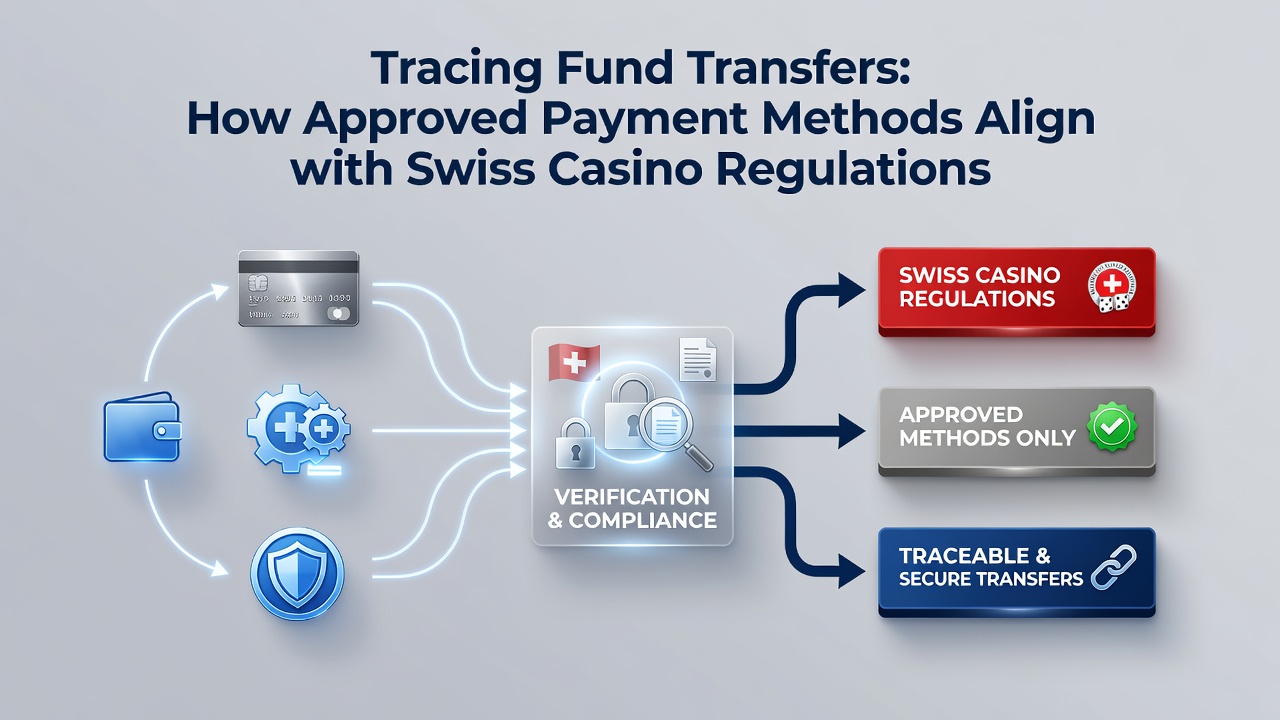
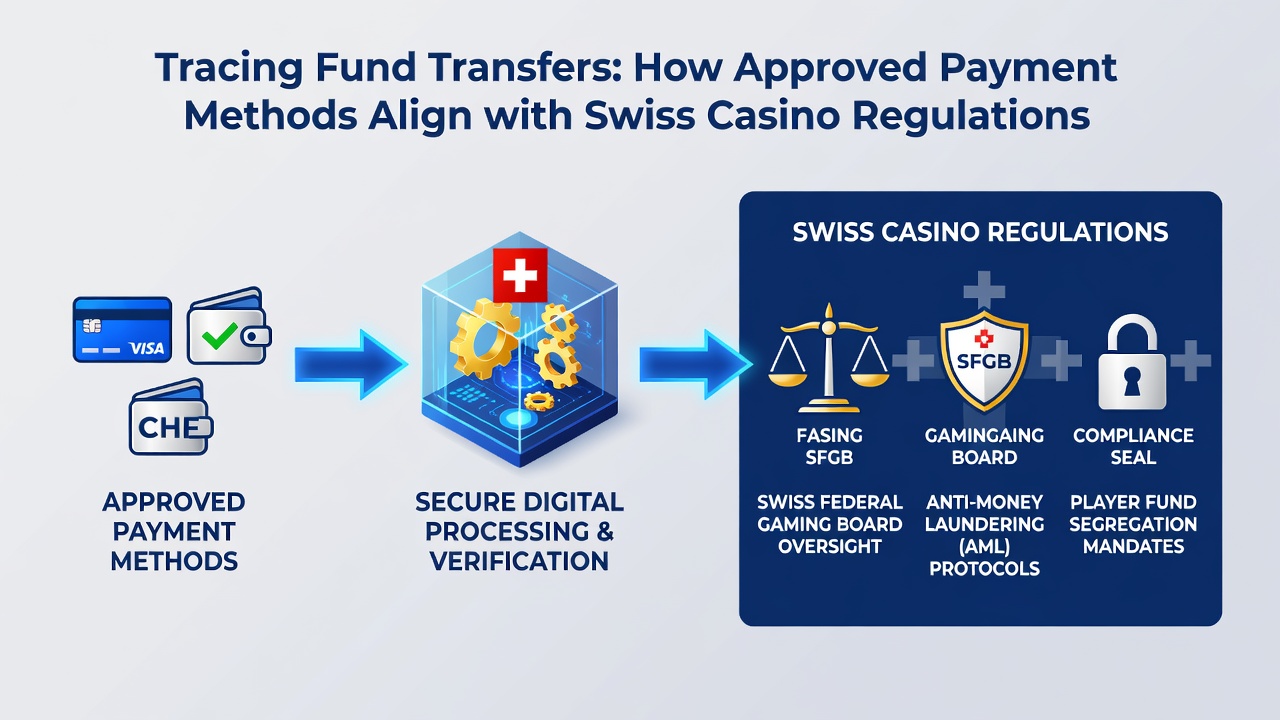
Swiss casino regulations require operators to maintain detailed records of all financial transactions, and approved payment methods must support complete traceability from deposit to withdrawal, which aligns directly with federal anti-money laundering statutes administered by the Federal Office of Justice and the Intercantonal Supervisory and Control Authority for Casinos.
Approved payment channels in Swiss-licensed establishments include bank transfers through domestic institutions, certain prepaid card systems that undergo identity verification at issuance, and electronic wallets that integrate with Swiss banking partners for real-time monitoring; each option undergoes evaluation to confirm that transaction data remains accessible for regulatory review without interruption.
Regulatory Framework Governing Transaction Monitoring
Swiss law mandates that every licensed casino operator implements automated systems capable of flagging unusual patterns in fund movements, and these systems must interface seamlessly with the chosen payment providers so that account details, timestamps, and amounts transmit to compliance databases without manual intervention. Data from the Swiss Federal Statistical Office shows consistent growth in monitored transaction volumes through 2025, with projections indicating further increases by October 2026 when updated digital reporting protocols are scheduled to take effect across all cantons.
Payment method approval hinges on the provider's ability to supply verifiable customer identification at the point of account creation, while also preserving an unbroken chain of custody for funds as they move between player accounts and casino ledgers; this requirement excludes many international cryptocurrency platforms unless they establish partnerships with Swiss-regulated entities that can enforce the same standards.
Approved Methods and Their Traceability Features
Traditional bank transfers remain the most straightforward option because they generate SWIFT or SEPA records that Swiss authorities can cross-reference against player profiles, and these transfers automatically include originator and beneficiary information that satisfies the documentation thresholds set by federal guidelines. Prepaid solutions receive approval only when the issuing company maintains a register of user identities that operators can query within minutes of a regulatory request, which ensures alignment with ongoing monitoring obligations.
Electronic wallet services operating in Switzerland typically require users to complete identity checks that match those demanded by banks, and the wallets then route all casino-related movements through accounts that log every transfer with unique reference numbers; regulators examine these logs during periodic audits to confirm that no funds enter or leave without corresponding player verification data.
International Comparisons and Alignment Standards
Observers note that Switzerland's approach shares structural similarities with frameworks used by the Australian Transaction Reports and Analysis Centre, where payment providers must demonstrate equivalent record-keeping capabilities before gaining access to licensed gambling environments. A 2024 report issued by the Financial Action Task Force highlighted how countries that tie payment approvals to mandatory data-sharing agreements experience lower rates of undetected cross-border fund movements, and Swiss regulations incorporate several of these recommendations through bilateral information exchange protocols.
Operators in Switzerland also reference guidelines from the European Banking Authority when evaluating new payment technologies, although domestic rules take precedence and require additional layers of verification that exceed many EU minimums; this layered system ensures that approved methods support both national and international reporting duties without creating conflicts in data formats or retention periods.
Implementation Challenges and Operational Adjustments
Casino finance teams coordinate with payment processors to establish daily reconciliation procedures that capture every transfer exceeding a defined threshold, and these procedures feed directly into centralized databases maintained by oversight bodies. By October 2026, new software interfaces are expected to automate much of this exchange, reducing the window between transaction occurrence and regulatory visibility to under four hours for most approved channels.
Those who manage compliance programs report that integrating legacy bank systems with newer wallet providers demands careful mapping of data fields, yet the process ultimately strengthens the overall audit trail because each method contributes unique metadata that regulators can use for pattern analysis across multiple player accounts.
Conclusion
Swiss casino regulations maintain strict alignment between approved payment methods and fund transfer tracing requirements through mandatory identity verification, automated monitoring interfaces, and scheduled upgrades to digital reporting systems. The combination of domestic banking standards, selective wallet approvals, and coordination with international bodies creates a framework where transaction records remain complete and accessible for regulatory purposes at all times.